Sewage Backup Cleanup in Pflugerville: A Step-by-Step Guide
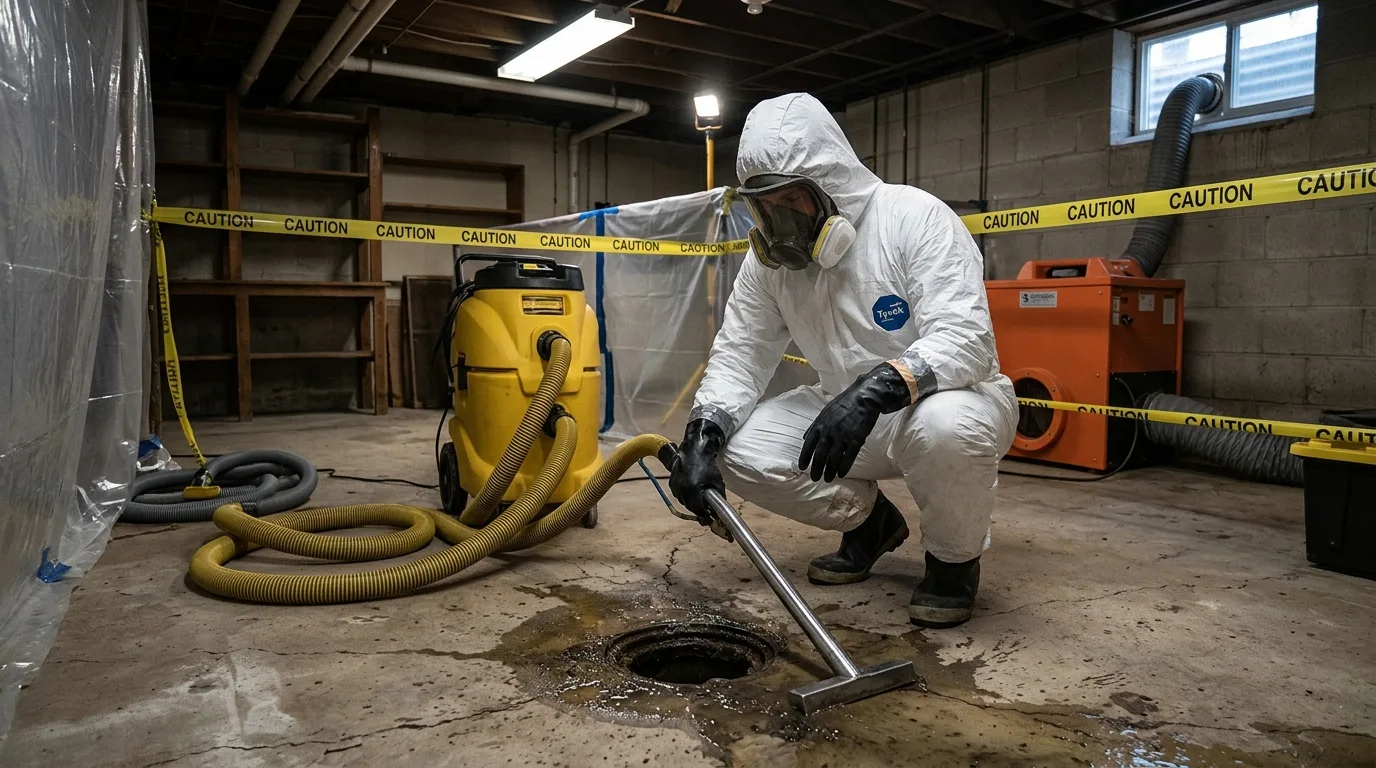
Sewage backup cleanup in Pflugerville is a health emergency that requires an immediate professional response. The bacteria, viruses, and parasites found in black water (Category 3 sewage) cause serious illness — and the spring storm season, which regularly overwhelms Pflugerville’s drainage infrastructure, makes this type of event more common here than in many other Central Texas communities. This guide covers what happens step-by-step when sewage backs up into a Pflugerville home, what homeowners should do immediately, and why DIY cleanup is never appropriate for Category 3 water.
Sewage Backup in Pflugerville? Call (877) 698-1311 Now
Category 3 sewage cleanup with full biohazard protocols — 24/7 emergency response throughout Travis County.
Why Sewage Backup Happens in Pflugerville
Pflugerville’s spring storm season produces rainfall events intense enough to overwhelm municipal sewer capacity. When the city’s drainage system receives more inflow than it can process, sewage backs up through the path of least resistance — residential connections. Homes in lower-lying areas, particularly those in neighborhoods like Avalon near SH 130 drainage corridors, are disproportionately affected by these municipal overflow events.
The Blackland Prairie clay soils beneath Travis County also contribute to a second failure mode: root intrusion in sewer laterals. As clay soils shrink during summer drought, they pull away from underground pipes — opening micro-gaps at joints where tree roots from established Pflugerville landscape trees penetrate over time. Root intrusion in sewer laterals causes partial blockages that can produce backup events when the system is under any load — not just during major storms. Homes in established Pflugerville neighborhoods like Carmel and Highland Park with mature tree coverage are particularly susceptible.
Both scenarios produce Category 3 black water that requires professional biohazard cleanup protocols — not bleach and a mop.
What Homeowners Should Do Immediately
Stop using all water fixtures immediately. Do not flush toilets, run sinks, or operate any appliance that discharges to drain lines. Additional water use will worsen the backup.
Evacuate the affected area. Do not walk through sewage water — direct contact with black water exposes you to pathogens that cause gastrointestinal illness, skin infections, and respiratory symptoms. Keep children and pets out of the affected area.
Ventilate if possible. Open windows and doors leading to the outside (not to other rooms) to reduce pathogen concentration in the air. Do not run HVAC fans — they spread contaminated air throughout the home.
Photograph the scene. Before anyone enters the area for any reason, take photos from a safe distance. This documentation is critical for insurance purposes.
Call immediately. Every hour of delay increases the pathogen load in building materials, raises mold risk in Pflugerville’s warm climate, and expands the scope of required demolition and decontamination. Call (877) 698-1311 for immediate dispatch.
The Professional Sewage Cleanup Process
Phase 1: Containment and PPE setup. Our technicians arrive in full personal protective equipment — respirators, protective suits, gloves, and boot covers. The affected area is sealed with polyethylene containment barriers and placed under negative air pressure to prevent spore and pathogen migration to unaffected areas of the home. HEPA air scrubbers begin filtering the air in the work zone.
Phase 2: Category 3 water extraction. Sewage water is extracted using equipment rated for contaminated water, with all effluent handled under biohazard disposal protocols. All standing water and saturated surface materials are removed.
Phase 3: Demolition of contact materials. All porous materials that have been in contact with Category 3 water are removed and bagged for regulated disposal. This includes drywall, insulation, carpet, baseboards, and engineered or solid wood flooring. These materials cannot be dried and reused — the IICRC S500 standard and Texas regulatory requirements both mandate removal. Non-porous structural materials (metal framing, concrete) that can be fully disinfected are treated in place.
Sewage Backup Cleanup Requires Licensed Professionals
Pflugerville Water Damage Restoration: IICRC certified Category 3 cleanup with full biohazard protocols. Call (877) 698-1311.
Phase 4: Disinfection and antimicrobial treatment. All remaining surfaces in the affected area receive EPA-registered antimicrobial treatment. This step kills bacteria, viruses, and any remaining mold spores on hard surfaces. Antimicrobial treatment is applied in multiple passes and allowed to dwell for the full contact time required for pathogen kill.
Phase 5: Structural drying. After decontamination is complete, structural drying begins using industrial air movers and dehumidifiers. Moisture monitoring continues daily until all structural materials reach acceptable levels. This phase typically runs 4–7 days.
Phase 6: Documentation and reconstruction. Final documentation includes the contamination assessment, disposal records, treatment logs, moisture monitoring data, and a clearance record. Reconstruction of removed materials follows after confirmed drying — new drywall, flooring, insulation, and baseboards are installed to restore the affected areas to pre-loss condition.
Types of Sewage Events Requiring Cleanup
Municipal sewer backup: Storm-induced system overwhelm forces sewage back through residential drain connections. Typically affects floor drains and toilets on the lowest floor. Common during Pflugerville’s spring storm season.
Main line blockage: Tree root intrusion or pipe collapse creates a blockage between the home and the street connection, causing sewage to back up through all fixtures on the affected drain line.
Septic system failure: In Travis County areas served by septic rather than municipal sewer, a failing drain field or a full tank causes sewage to surface on the property or back up into the structure.
Toilet overflow with solid waste: Any toilet overflow that involves solid waste produces Category 3 contamination regardless of volume. Even a small Category 3 event requires professional biohazard cleanup.
Cost and Insurance Considerations
Sewage cleanup in Pflugerville typically costs more than clean-water damage restoration due to the biohazard protocols, PPE, and required material disposal. Standard residential sewage cleanup runs $3,000–$7,000 depending on the affected area and the extent of structural material removal required. Compared to the Pflugerville water mitigation average of $2,912–$3,137, the Category 3 premium reflects the real additional costs of safe biohazard remediation.
Insurance coverage for sewage backup depends on your policy endorsements. Standard homeowner policies often exclude sewer backup — it is a common add-on endorsement available at relatively low cost. If you don’t have this endorsement, add it during your next renewal. We document all aspects of every sewage backup event for your insurer regardless of coverage determination.
Frequently Asked Questions
Why can’t I clean up sewage backup myself?
Sewage contains bacteria (E. coli, salmonella, enterococcus), viruses (hepatitis A, norovirus), and parasites that cause serious and potentially life-threatening illness. Without full PPE including a respirator rated for biological aerosols, proper containment to prevent cross-contamination, and regulatory-compliant disposal of contaminated materials, DIY sewage cleanup creates serious health risks — for you, your family, and potentially neighbors. Texas health authorities treat sewage backup as a biohazard event for precisely this reason.
Does homeowners insurance cover sewage backup in Pflugerville?
Standard homeowner policies typically exclude sewer backup as a covered peril. Coverage is available through a sewer backup endorsement, which is a relatively inexpensive addition to most policies. If your policy lacks this endorsement, the sewage cleanup costs will likely be out of pocket. We document the source and scope of every event to support any coverage that does apply and to provide complete records for your files.
How long after a sewage backup does mold become a risk?
In Pflugerville’s warm climate (May–October), mold can establish on wet porous materials within 24–48 hours of sewage exposure. The Category 3 cleanup process itself — which requires demolition of contaminated porous materials before structural drying can begin — typically takes 1–2 days before drying starts. This means the drying phase begins 1–2 days after the event, which is still within the mold-risk window. Our antimicrobial treatment applied during Phase 4 addresses any surface mold that established during the window between the event and the decontamination completion.
Related reading: