How to Prevent Mold After Water Damage in Pflugerville Homes
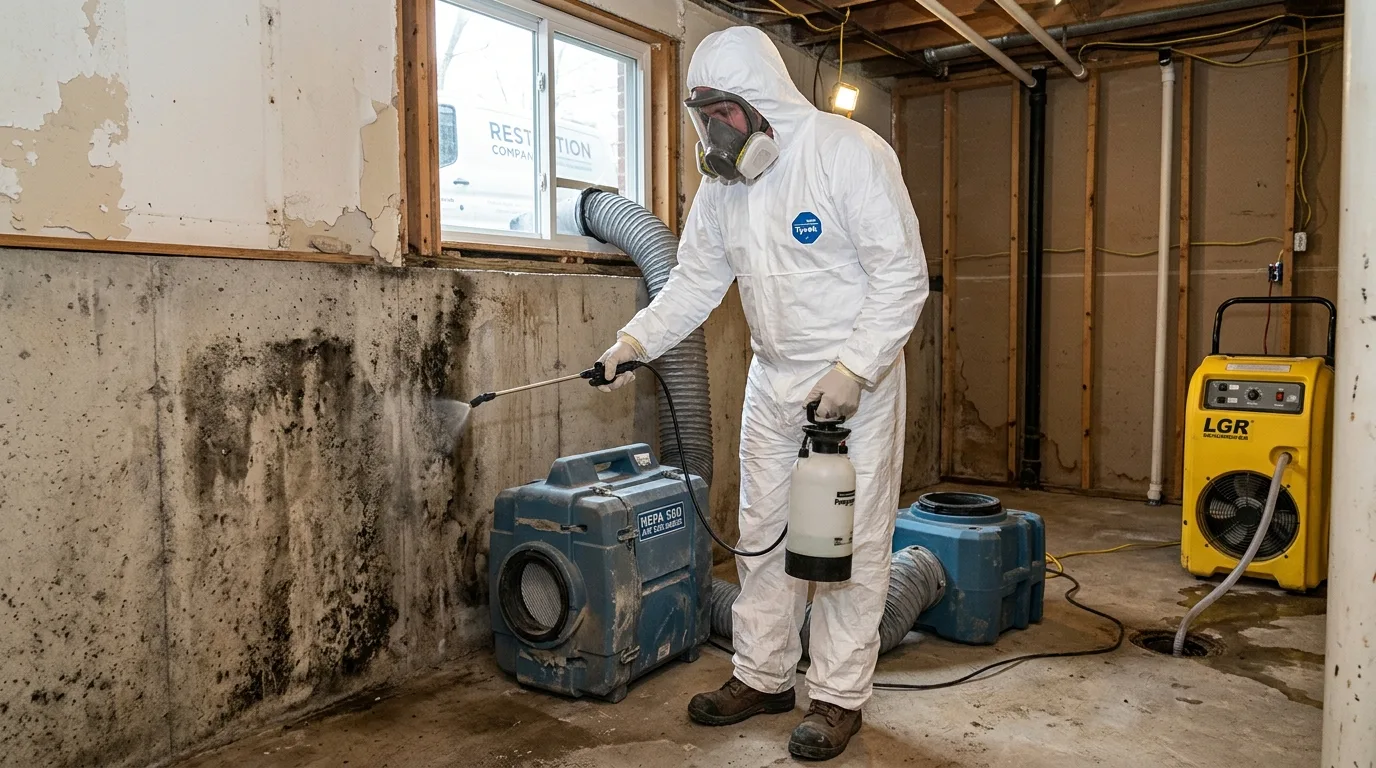
Here’s the number that matters: 24 to 48 hours. That’s how quickly mold can establish on wet drywall in Pflugerville’s warm, humid climate — faster than most homeowners expect, and fast enough that any delay in addressing water damage opens the door to a significantly larger and more expensive problem. In this post, we cover the specific steps that prevent mold establishment after water damage, which actions are safe for homeowners to take, and when professional mold remediation becomes necessary.
Water Damage in Your Pflugerville Home?
Fast response prevents mold. Our IICRC certified team provides 24/7 emergency water extraction and structural drying throughout Travis County. Call (877) 698-1311.
Why Mold Spreads Quickly After Water Damage in Pflugerville
Mold needs four things to grow: moisture, organic food (drywall paper, wood framing, insulation), warmth, and time. Pflugerville’s climate provides the warmth almost year-round — average high temperatures exceed 85°F from May through September, and indoor temperatures without air conditioning can reach 90°F or higher. Add moisture from a burst pipe, flooding, or a slow leak, and you have ideal mold conditions.
The clay soil beneath Pflugerville neighborhoods like Falcon Pointe and Highland Park compounds the problem in a specific way: slow-developing pipe leaks from soil-stressed plumbing often saturate wall cavities gradually rather than producing dramatic flooding. By the time a homeowner notices a musty smell or soft drywall, the wall cavity may have been damp for days or weeks — giving mold a substantial head start. This is the homeowner-impact consequence of the geological conditions under this part of Travis County that most professional guides don’t connect explicitly.
Understanding the mechanism helps explain why the steps below aren’t optional — they’re time-critical.
What Homeowners Can Safely Do in the First 24 Hours
Step 1: Stop the moisture source. No mold prevention action is effective while moisture is still entering the structure. Shut off the water main if the source is a burst pipe. Move items away from the wet area if the source is a roof leak during active rain. Contact your HVAC company if the source appears to be a condensate overflow.
Step 2: Remove standing water. Mop, towel, or use a wet/dry vacuum to remove any standing water from hard floor surfaces. Do not use a regular household vacuum — it will spread contaminated water and potentially be permanently damaged. Remove area rugs and move them outside to dry in the sun if possible.
Step 3: Remove saturated contents. Wet books, cardboard boxes, fabric furniture, and paper items are prime mold substrates. Remove them from the affected area immediately and separate salvageable from unsalvageable items. Leather and fabric items that were saturated should be professionally cleaned; items that smell musty may already have mold on them.
Step 4: Open windows if outdoor conditions allow. If outdoor humidity is below 60% and temperatures are mild (fall or winter in Pflugerville), opening windows increases airflow and can help remove some moisture from the air. This is not effective — and can be counterproductive — during Pflugerville’s summer months when outdoor humidity is high.
Step 5: Call for professional extraction and drying. This is where homeowner action ends and professional intervention must begin. The tools and techniques required to dry structural components — wall cavities, subfloors, framing — are not available to homeowners. Industrial dehumidifiers, air movers, and moisture meters are required to dry structures to the levels that prevent mold growth.
Don't Let Moisture Become Mold — Act Now
Pflugerville Water Damage Restoration provides 24/7 emergency drying services to stop mold before it starts. Call (877) 698-1311.
Types of Professional Drying Equipment Used
Industrial dehumidifiers — Commercial-grade refrigerant dehumidifiers remove 80–200+ pints of moisture per day from the air, far beyond what consumer units can achieve. These are placed throughout the affected area to lower ambient humidity below 40–45%, creating conditions where mold cannot establish.
Air movers — High-velocity fans designed specifically for drying that create rapid airflow across wet surfaces, accelerating evaporation from floors, walls, and contents. Standard household fans don’t generate sufficient airflow to dry structural materials.
Thermal imaging cameras — Identify moisture behind walls and under flooring where drying equipment must be targeted. A wall that looks dry from the outside may be saturated at its core.
Moisture meters — Calibrated instruments that read actual moisture content in building materials. Drying is not “done” when things feel dry to the touch — it’s done when calibrated readings confirm materials have reached acceptable moisture levels.
How to Prevent Mold in Specific High-Risk Areas
Bathrooms: Ensure shower pans and tub surrounds have intact caulk and grout with no gaps. Any opening in the tile line allows water to penetrate behind the assembly and saturate the wall framing — the most common source of hidden bathroom mold in Pflugerville homes. Inspect caulk annually and replace when cracking or separating.
Under kitchen and bathroom sinks: Drain connections under sinks frequently develop slow drips that pool in the cabinet below for weeks before being discovered. Place a sheet of white paper in the base of under-sink cabinets; check it periodically for discoloration that indicates drips.
HVAC areas: In Pflugerville’s humid climate, condensate drain lines from air conditioning units can overflow and drip into ceiling assemblies or wall cavities for extended periods. Have your HVAC system serviced annually and ask the technician to check condensate line flow specifically.
The Cost Difference Between Fast and Slow Response
Based on 96 completed projects in Pflugerville, water mitigation averages $2,912–$3,137. That figure reflects projects where extraction and drying began promptly. When moisture remains in wall cavities long enough for mold to establish — typically 48–72 hours — mold remediation is added to the scope: TDLR licensed inspection, containment, HEPA removal, antimicrobial treatment, and post-clearance testing. A project that would have been a $3,000 drying job becomes a $6,000–$10,000 combined restoration and remediation project.
The math is clear: calling for professional water extraction and structural drying immediately after water damage in Pflugerville is not a judgment call — it’s the most cost-effective decision available. See our mold remediation service page for what to expect if mold is already present.
Frequently Asked Questions
Can I use bleach to prevent mold after water damage?
Bleach kills surface mold on non-porous surfaces but is ineffective on porous materials like drywall, grout, and wood. It does not penetrate to kill mold roots (hyphae) embedded in porous material, and its effectiveness is temporary on surfaces that remain damp. Bleach is also a respiratory irritant — using it in a confined, poorly ventilated space increases health risks. For confirmed mold on porous building materials, TDLR licensed professional remediation is the appropriate response in Texas.
How do I know if water has reached the wall framing in my Pflugerville home?
Surface drywall may feel dry while the gypsum core and framing behind it remain wet. Signs that moisture has penetrated include: soft or spongy drywall when pressed firmly, discoloration or bubbling of paint, or a new musty odor in the area. A professional moisture assessment using calibrated meters and thermal imaging provides the only reliable answer. Our team serves Pflugerville and all Travis County communities with same-day assessment calls.
Does mold grow faster in summer in Pflugerville?
Yes — significantly. Pflugerville’s August average high exceeds 96°F, and indoor temperatures without AC can match or exceed that. Mold growth rates increase exponentially with temperature up to approximately 90°F; above that, some species grow more slowly but others thrive. The combination of peak summer temperatures and high outdoor humidity creates the fastest mold growth conditions of the year. Water damage events during June–September carry the highest secondary mold risk and warrant the most urgent response.
Related reading: