Pflugerville Flood Risk: What Every Homeowner Should Know
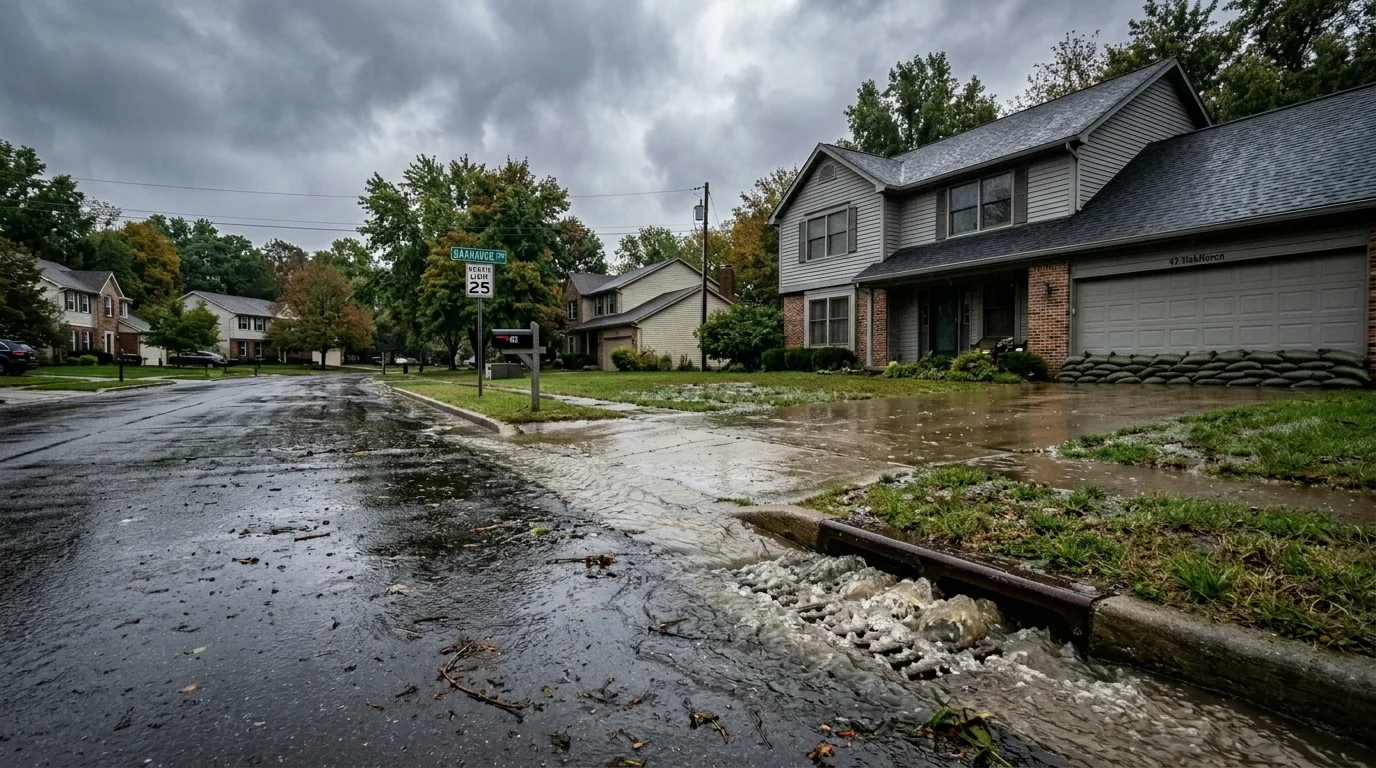
The most important thing to understand about Pflugerville’s flood risk is this: the FEMA flood zone map tells you less than you think. Many Pflugerville homeowners believe they have nothing to worry about because their property isn’t in a high-hazard flood zone — but flash flooding in Central Texas doesn’t care about FEMA classifications. In this post, we cover what Pflugerville’s actual flood exposure looks like, which neighborhoods are most at risk, and what every homeowner in Travis County should know before the next major storm.
Flood Damage in Pflugerville? Call (877) 698-1311 Now
24/7 flood damage cleanup for Pflugerville and Travis County. Standing water removal, sewage handling, and structural drying — immediate response.
What FEMA Zone X Actually Means for Pflugerville
Most of Pflugerville is classified as FEMA Flood Zone X — meaning the area is outside the 100-year floodplain. Many homeowners interpret this as “not at risk for flooding,” which is incorrect. Zone X simply means the area has a less than 1% chance of flooding in any given year based on historical data. It does not mean flooding can’t happen; it means the probability is lower than Zone A or Zone AE areas.
Critically, parts of Pflugerville fall within the 500-year floodplain — a designation that means significant flooding is possible during major storm events even in areas that rarely flood. Central Texas is prone to high-intensity rainfall events: the terrain and drainage patterns in Travis County can concentrate runoff from a large watershed into relatively narrow channels quickly. When a storm system stalls over the area and dumps several inches of rain in a short period, Zone X properties that have never flooded before can experience significant water intrusion.
The Pflugerville Fire Department (ESD 2) specifically identifies flash flooding as a serious documented hazard for the area — a warning that goes beyond what the FEMA map alone would suggest.
How Pflugerville’s Drainage Infrastructure Gets Overwhelmed
Pflugerville has grown rapidly over the past two decades, adding thousands of homes and impervious surfaces — roads, parking lots, driveways — that accelerate runoff rather than absorbing it. When development outpaces drainage infrastructure upgrades, existing drainage channels and retention ponds can be overwhelmed during heavy rainfall events. Areas near SH 130 that have seen the most intensive recent development carry higher runoff volumes than the original drainage engineering anticipated.
The Blackland Prairie clay soils beneath Pflugerville’s residential neighborhoods absorb water very slowly — far more slowly than sandy soils would. During a heavy rainfall event, water pools on the surface and runs laterally toward low points before it begins to infiltrate the ground. Homes in lower-lying sections of neighborhoods like Avalon (in southwest Pflugerville) or properties adjacent to drainage corridors are most exposed to this overland flooding pattern. Properties near Lake Pflugerville and Pfluger Park experience the same dynamics during major rain events, as the park’s watershed drains toward lower ground.
Is Your Pflugerville Home Flood-Ready?
Our IICRC certified team handles all stages of flood damage cleanup — from emergency water extraction to full structural drying. Call (877) 698-1311.
Flood Damage Cleanup Starts Before the Rain Stops
One of the most important things Pflugerville homeowners can do is have a response plan ready before a flood event — not after. Once flooding enters a structure, the first priority is safety: do not walk through floodwater if you don’t know its depth or contamination status. Sewage backup from overwhelmed municipal lines frequently accompanies flooding events, and Category 3 contamination (black water) requires professional biohazard cleanup, not DIY mopping.
Once the water recedes and it’s safe to enter, the clock on secondary damage starts immediately. Mold can establish in Pflugerville’s warm, humid climate within 24–48 hours of flooding. Structural drying must begin within this window to prevent mold establishment in walls and under flooring. Every hour of standing water also increases the risk that flooring, subfloor, and wall base materials are saturated beyond salvage.
Call for professional flood damage cleanup in Pflugerville immediately — even if visible water has receded, hidden moisture in wall cavities requires professional extraction equipment and moisture detection to locate and dry.
Flood-Proofing Steps for Pflugerville Homeowners
Know your property’s drainage pattern. Walk your property during a moderate rainstorm and observe where water flows and where it pools. Any pooling within 6 feet of your foundation is a drainage concern worth addressing before a major storm event.
Maintain gutters and downspouts. Clogged gutters overflow against foundation walls during Pflugerville’s spring thunderstorms, producing concentrated water intrusion that mimics flooding. Clean gutters twice yearly — after fall leaf drop and after spring pollen season.
Consider flood insurance. Standard homeowner policies do not cover flood damage. The National Flood Insurance Program (NFIP) offers coverage for Zone X properties at lower rates than high-hazard zones. Given that Central Texas’s most damaging flood events often affect Zone X areas, this coverage deserves serious consideration.
Seal foundation penetrations. Any pipe, conduit, or utility that penetrates your foundation is a potential water entry point during flood conditions. Hydraulic cement and flexible waterproofing sealants applied around these penetrations reduce flood intrusion during overland flooding events.
Cost and Insurance Considerations
Water damage from flooding is typically excluded from standard homeowner policies unless the cause is an internal source (burst pipe, appliance failure) rather than external flooding. Flood insurance through the NFIP or a private carrier covers flood-origin damage. In Pflugerville’s Zone X designation, NFIP preferred risk policies are available at reduced premiums compared to high-hazard zones.
For flood damage that is covered, professional cleanup including water extraction, structural drying, and reconstruction aligns with the local average of $2,912–$3,137 for standard residential jobs. Larger flood events involving sewage contamination or structural damage will run higher. See our flood damage cleanup service page for more detail on what the restoration process involves.
Frequently Asked Questions
Does the FEMA flood map show all the areas that flood in Pflugerville?
No — FEMA flood maps show statistical flood probability based on historical data and terrain modeling. They don’t capture flash flood events that affect Zone X areas, drainage problems from recent development, or infrastructure overwhelm events. The Pflugerville Fire Department’s documented flash flood hazard rating exists precisely because flood risk is higher than the FEMA map alone would suggest. Never assume Zone X means no risk.
Is Lake Pflugerville a flood risk for nearby homes?
Lake Pflugerville is a managed recreational lake with established drainage infrastructure, but homes near the lake and its surrounding drainage watershed can experience higher runoff during major storm events. Properties in the Falcon Pointe neighborhood, which is adjacent to Lake Pflugerville, should have a flood response plan in place regardless of their FEMA flood zone designation.
What should I do immediately after flooding enters my Pflugerville home?
Ensure the property is safe to enter — check for gas leaks, electrical hazards, and structural damage before entering. Do not walk through floodwater that may be contaminated with sewage. Once safe to enter, call for professional flood damage cleanup immediately. Do not run fans or air conditioning — these can spread mold spores to unaffected areas before professional extraction and drying equipment establishes controlled drying conditions.
Related reading: